Essential Safety Checklist Before Meeting an Online Match in Person

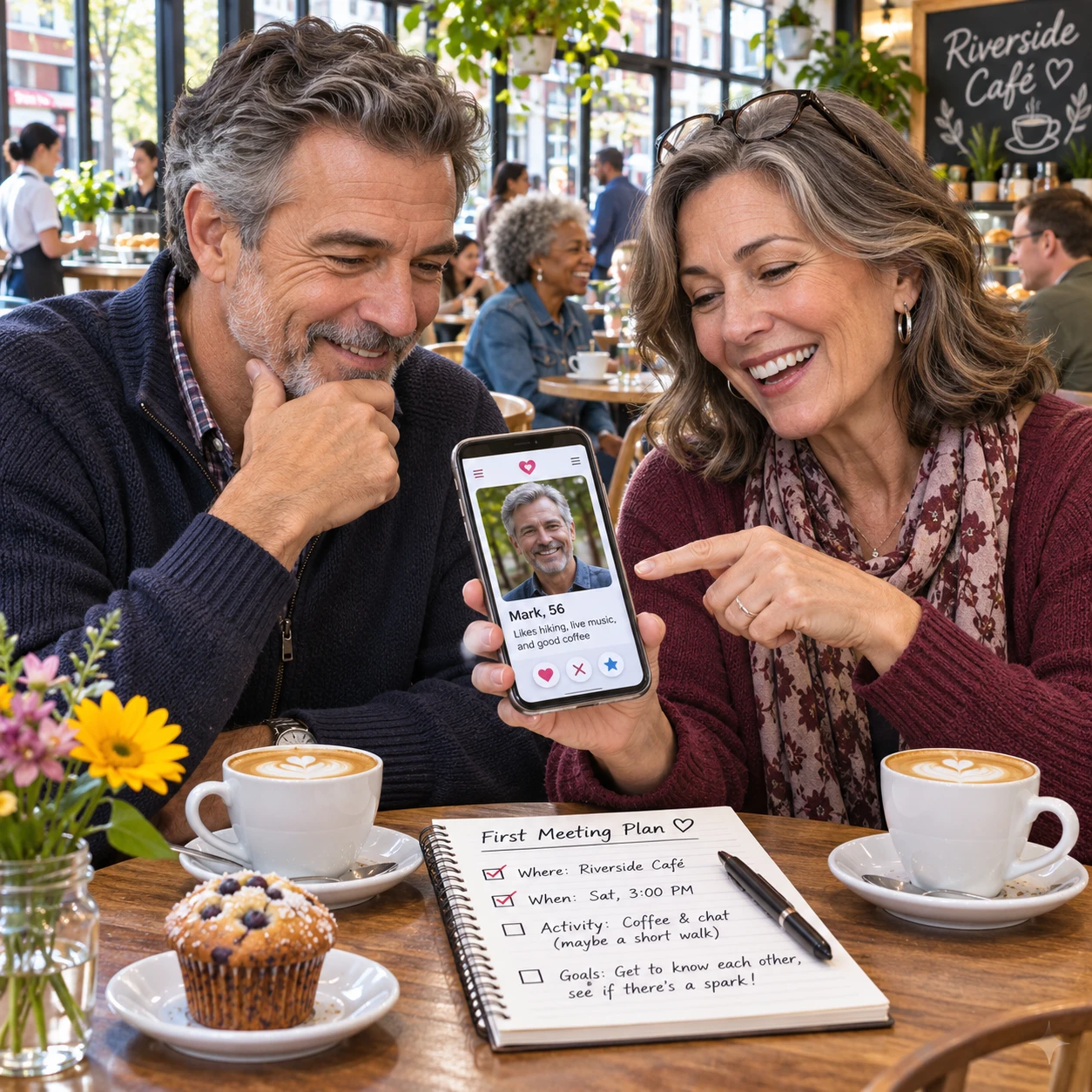
Meeting someone from a dating app or website can be a positive way to connect, especially when you’re looking to meet people locally. A few sensible steps can help you make an informed choice and keep control of the first meetup.
Use this checklist as a set of options, not a guarantee. Profile verification and matching algorithms can offer useful signals, but neither proves that a person is trustworthy. You can always postpone, decline, or leave.
Verify the person behind the profile
Check whether the profile and conversation seem consistent, use available profile verification tools, and consider a video call before meeting. These steps can help you decide whether you feel comfortable, but they cannot guarantee someone’s identity or intentions.
Look at the profile as a whole. Do the age range, location, photos, interests, and details shared in conversation fit together? A normal discrepancy may have a simple explanation; several changing details or evasive answers deserve more caution. Don’t treat a polished profile, a verification badge, or a strong algorithmic match as proof of safety.
If you’re comfortable, suggest a brief video call through the platform. It can help confirm that you’re speaking with the person shown in their photos and give you a feel for the conversation. If they decline, that alone doesn’t establish fraud. You can simply wait to meet until you feel ready, or decide the match isn’t right for you.
Keep profile checks respectful and lawful. Avoid trying to access private accounts or using information in ways that invade someone’s privacy. The goal is to notice inconsistencies and make a sound decision, not to conduct an investigation.
Watch for fraud signals and pressure tactics
Be cautious when a match asks for money, sensitive information, or rapid commitment, especially alongside inconsistent stories or pressure to leave the dating platform. These are warning signs to pause and assess; one unusual detail by itself is not definitive proof of a romance scam.
Romance scams often involve building trust before asking for financial help, gift cards, cryptocurrency, account access, or a favor involving money. Never send funds to someone you haven’t met, and don’t share bank details, passwords, verification codes, identity documents, or financial account information with a match.
Also notice how the person responds to reasonable boundaries. Repeatedly insisting you move to private messaging, avoid a video call, keep the relationship secret, or meet immediately can be a reason to slow down. A believable explanation may exist, but you don’t have to accept one that leaves you uneasy.
- Pause if their occupation, location, or personal history changes substantially between conversations.
- Decline requests to transfer money, receive funds, buy gift cards, or share sensitive information.
- Keep communication on-platform until you’re comfortable; moving elsewhere should be your choice.
- End contact and report the profile if the person threatens, coerces, or repeatedly ignores your boundaries.
Some platforms provide safety guidance on romance scams. Use it as a reference, not as a reason to assume every person who behaves differently is a fraudster.
Choose a low-pressure public meetup
Choose a familiar, staffed public meeting place with other people around, such as a busy café or a daytime local event. A public setting makes it easier to keep the first meeting short and leave independently if you want to.
Pick a venue you can reach and leave on your own. Check opening hours, accessibility, phone reception, and how busy it is at the time you plan to go. A neighborhood coffee shop, community event, or public cultural venue can work well. If you meet at an event, agree on a clear meeting point rather than searching for each other in an isolated area.
Keep the plan simple: one location, a set start time, and a modest duration, such as a coffee or a walk through a busy public venue. You can extend the date if you both want to, but there’s no need to commit to a long meal or a second location in advance.
A public place is a practical precaution, not a guarantee. Avoid a first meetup at either person’s home, in a private hotel room, or somewhere remote. If the match changes the venue at the last minute to a place that feels unsafe, suggest another option or cancel.
Share your plan and stay in control
Arrange independent transportation, tell a trusted person where you’re going, and set a check-in time. These steps give you more control over your arrival, departure, and access to support.
Before you leave, send your trusted contact the match’s first name or profile information, the venue and meeting time, and your expected check-in time. Share how you’ll get there and when you expect to be home if that helps. Agree on what they should do if you miss your check-in, such as calling or messaging you first.
Choose transportation that doesn’t depend on your date. Drive yourself, use a taxi or rideshare you arrange, or take public transit if that’s comfortable. Don’t rely on the match for a ride home, and keep enough battery and a way to contact someone. If you use a rideshare, check the driver and vehicle details in the app before getting in.
Set a check-in that feels practical, not burdensome. For example, message your contact after you arrive and again when you leave. Sharing a plan offers reassurance and a backup; it doesn’t mean your contact can monitor or control the date.
Set boundaries before and during the date
Decide what you’re comfortable sharing and what you expect from the meetup, then communicate those limits clearly. You can keep personal information private and leave if the other person makes you uncomfortable.
For an early meeting, there’s no need to disclose your home address, daily routine, financial situation, workplace details, or information that could help someone access your accounts. Use the name and contact methods you feel safe sharing. If a question feels too personal, you can say, “I’d rather not share that yet.”
Boundaries can cover practical matters too: how long you’ll stay, whether you’re comfortable with physical contact, and whether you want to go anywhere else. A respectful match will accept a clear no without bargaining, sulking, or making you feel guilty.
If something feels wrong, you don’t need to prove danger or explain your decision. Move toward staff or other people, contact your trusted person, and use your own transport. You can say, “I’m going to leave now,” or ask venue staff for help. If you face an immediate threat, contact local emergency services.
After the meeting: reflect and report concerns
After the meetup, check in with yourself and your trusted contact, then decide whether you want to continue talking. If you notice suspicious behavior, save relevant messages and report the profile through the platform.
Think about how the person treated your boundaries, whether their profile and stories remained consistent, and whether you felt comfortable. You don’t owe anyone a second date or an explanation for ending contact. A short, polite message is optional; blocking is also reasonable if you want no further communication.
If the person requested money, threatened you, impersonated someone, or pressured you for sensitive information, use the platform’s reporting tools. Keep screenshots or message records where safe and appropriate. If you shared financial details or sent money, contact your bank or payment provider promptly and follow its instructions. Reporting helps the platform assess the account, though it cannot guarantee a particular outcome.
Frequently asked questions
Should I video call before meeting an online match?
A video call is a useful option because it lets you speak face-to-face before arranging an in-person date. It can help you assess comfort and consistency, but it does not guarantee identity or safety. If you’d rather not call, you can ask more questions, wait, or choose not to meet.
What details should I share with a trusted contact?
Share the venue, meeting time, the match’s name or profile, your expected return time, and how you plan to get there and back. Agree on a check-in time and what they should do if they don’t hear from you. Only share information you’re comfortable giving that person.
Is it safe to attend a local event as a first meetup?
A local event can be a comfortable first meetup if it’s public, staffed, and easy to leave. Choose a clear meeting point, keep independent transportation, and tell someone your plan. An event doesn’t replace the usual precautions.
What should I do if my match asks for money?
Don’t send money, gift cards, cryptocurrency, or account information. Stop and assess the situation, save messages if useful, and report the profile if the request seems suspicious or pressuring. Contact your bank or payment provider promptly if you already shared details or paid.
How can I leave a date safely if I feel uncomfortable?
Go to a staffed, populated area and contact your trusted person or arrange your own ride. You can tell your date you’re leaving, but you don’t need to provide a reason. Ask venue staff for help or contact local emergency services if you’re in immediate danger.