Red Flags in Dating Profiles: A Practical Guide for Older Adults

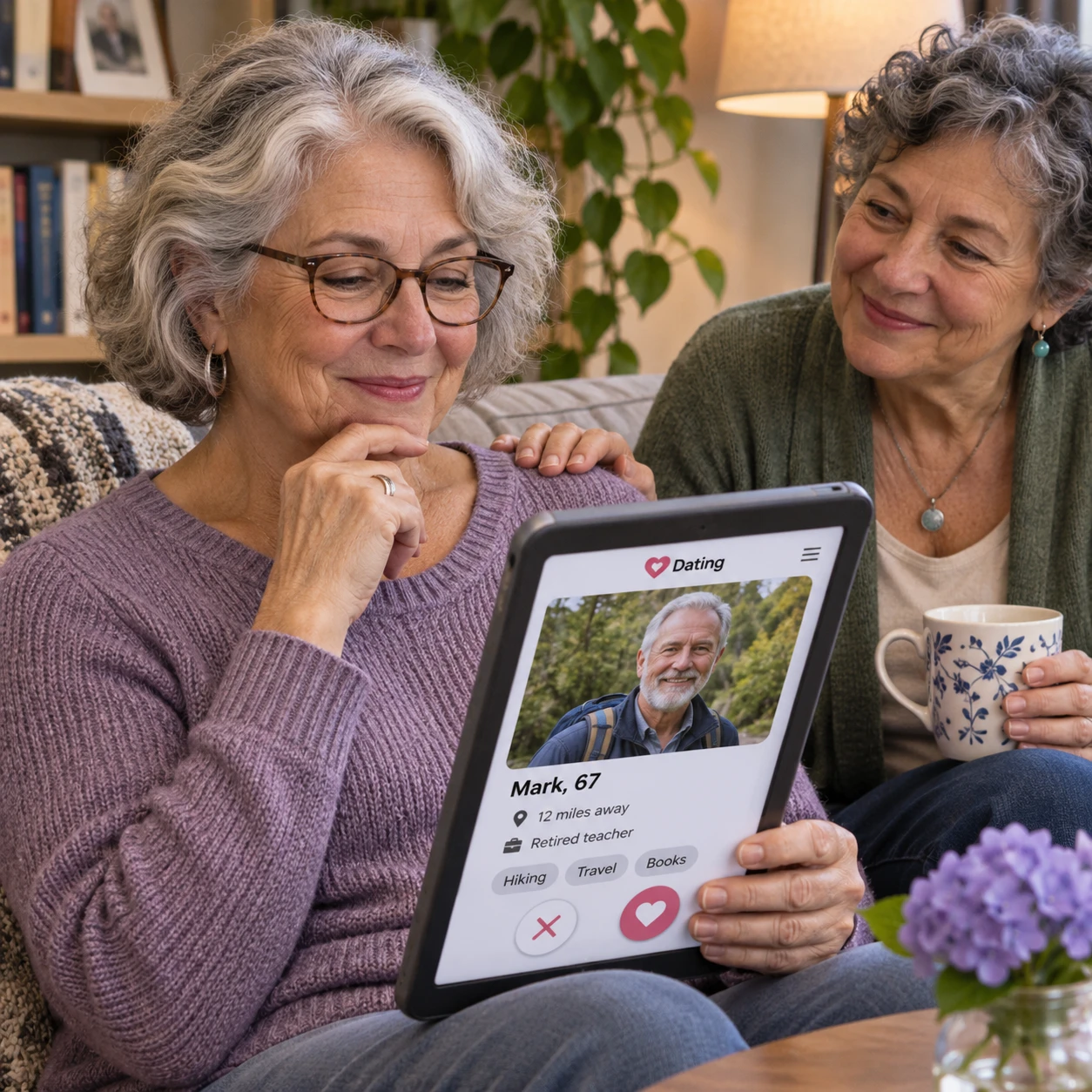
Online dating can help mature singles meet people who share their interests, values, and hopes for companionship. A profile that seems unusual deserves a closer look, but a single awkward detail does not prove someone is dishonest. The safest approach is to notice patterns, protect your privacy, and move at a pace that feels comfortable.
What a dating-profile red flag is—and isn’t
A dating-profile red flag is a detail or behavior that gives you a reason to pause and check for consistency. One oddity is not proof of fraud, but repeated contradictions, pressure, or requests for money warrant caution.
People may write briefly, use older photos, have limited technology skills, or leave parts of a profile blank for many ordinary reasons. Age, widowhood, disability, distance, and unfamiliarity with dating apps are not evidence of a romance scam.
Look at the whole picture. Does the person’s account of their work, location, and interests stay broadly consistent? Do they respect a reasonable question or boundary? A pattern of evasiveness combined with urgency matters more than one typo or missing detail. You are allowed to slow down, ask for clarification, or stop replying without proving that someone has done anything wrong.
Profile warning signs to notice
Potential warning signs include a bio that says very little, details that conflict, grand claims that feel difficult to verify, or photos that do not fit the person’s story. Treat these as prompts to pay attention, not as a verdict on their identity.
A vague or copied-sounding bio may lean on broad statements such as “I love everything” without describing daily life, interests, or what the person hopes to find. That can simply reflect a poor writer. It becomes more concerning when the profile also has inconsistent details, such as different ages or locations across sections, or the person changes their story in conversation.
Be thoughtful around claims of exceptional wealth, an unusually glamorous lifestyle, or instant plans for a shared future. These details are not proof of fraud on their own. The concern grows when an impressive story is paired with urgency, evasive answers, or requests for financial help.
Photos can offer context, but they are easy to misread. A polished picture, a small number of images, or a visible difference between photos does not automatically mean the account is fake. Notice whether the images seem to show the same person and whether the story attached to them stays plausible. Avoid making assumptions about someone’s health or abilities from appearance alone.
Check details without oversharing
You can check a dating profile by reviewing what is already public, asking ordinary questions, and using the platform’s profile verification features where available. Keep your own identifying and financial information private while you do it.
Start with the profile itself. Read the bio, location, stated interests, and relationship goals together, then note anything you may want to ask about naturally. You could ask what they enjoy doing on weekends or which neighborhood they prefer for a first coffee. A genuine person may not answer every question perfectly, but they should generally be willing to have a respectful conversation.
Some platforms offer profile verification, such as a photo or identity check. These tools may add useful context, but their scope varies, and a verification badge cannot guarantee someone’s intentions or future behavior. A badge is one signal, not a substitute for judgment.
A reverse image search can sometimes reveal whether a photo appears elsewhere online, but results can be incomplete or misleading. Similar photos, old accounts, or people with common names may lead to false conclusions. Use it as one limited check, not as permission to investigate someone invasively or contact their family, employer, or acquaintances.
Keep your home address, full birth date, financial details, passwords, account security codes, and copies of identity documents to yourself. Be careful about sharing routine details that could reveal where you live or when you are away. Ask for no more information than you would be comfortable giving in return.
Watch for suspicious behavior in messages
Suspicious messages often involve rushed intimacy, repeated avoidance of reasonable questions, pressure to leave the dating app, or requests for money and sensitive information. The pattern and the response to your boundaries matter more than a single awkward message.
Some people want to move quickly to private messaging for convenience. Still, be cautious if someone insists on switching apps right away, discourages you from using the dating platform, or tries to isolate the conversation from its reporting tools. A sincere match should accept a polite request to keep chatting on the platform until you feel comfortable.
Pay attention if someone declares deep feelings unusually early, makes a series of urgent excuses for not meeting or speaking live, or turns every question back on you without answering. There may be innocent explanations for a missed call or a delayed response. What matters is whether the person repeatedly avoids ordinary ways of building trust while asking you to take risks.
Never send money, gift cards, cryptocurrency, or banking details to someone you have met through a dating profile, even if the story involves a medical bill, travel emergency, investment opportunity, or temporary account problem. Do not share verification codes or passwords either. A person who respects you will not demand them or punish you for saying no.
Use the platform—and matching tools—thoughtfully
Use dating platform reporting and blocking tools when a profile appears fraudulent, violates the rules, or makes you feel unsafe. Matching algorithms can help mature singles discover compatible people, but they do not verify identity or guarantee honest intentions.
A matching algorithm may use preferences, location, or activity to suggest profiles. That can make it easier to find people with shared interests, including those nearby. But a strong match score reflects the platform’s criteria, not an independent background check. Treat recommendations as introductions to consider, not endorsements.
If a profile raises concerns, save relevant messages or note the username before blocking, if it is safe to do so. Then use the app’s report feature and describe specific behavior: for example, a request for money, contradictory identity claims, or pressure to share personal information. Clear, factual reports help platform moderators assess the account.
Blocking can prevent further contact, but it may also remove your access to a conversation, depending on the service. If you may need to report the person or document a financial request, save the relevant details first. Do not keep engaging just to gather more evidence.
From online chat to a safer local meetup
Make a first in-person meeting safer by choosing a busy public place, arranging your own transport, and telling someone you trust where you will be. Keep the first plan simple and leave if you feel uncomfortable.
A daytime coffee shop, library café, or familiar public event can work well. For a local event, choose a venue where you can arrive and leave independently, and avoid sharing your home address or asking the other person to pick you up. Let a trusted friend know the venue, meeting time, and the person’s profile name; consider arranging a check-in during or after the date.
Keep your phone charged and your belongings with you. Do not leave a drink unattended, and do not feel obliged to extend the date, accept a ride, or go somewhere private. If a person ignores a boundary, becomes aggressive, or makes you uneasy, leave and contact someone you trust or local emergency services if there is immediate danger.
A video call beforehand may help you decide whether you want to meet, but it cannot guarantee identity or safety. Use it as an optional step, not a test that removes all risk.
What to do when something feels wrong
If a profile or conversation feels wrong, pause contact, preserve relevant messages, and report the account through the dating platform. If you shared money or personal data, contact the appropriate financial institution or service promptly and seek trusted support.
You do not need to confront the person or provide a final explanation. Stop replying, block them if appropriate, and keep screenshots or transaction records that may help with a report. If you sent bank details, contact your bank using the number on your card or its official website. If you shared passwords, change them and review account security; never tell anyone a one-time security code.
For a suspected romance scam involving money, report it to the platform and the relevant consumer-protection or law-enforcement agency in your country. In the United States, the Federal Trade Commission provides guidance on romance scams and reporting them. If the situation has left you embarrassed or shaken, talk with a trusted person. Scammers rely on pressure and secrecy; asking for help is a practical next step, not a reason for shame.
Online dating should leave room for curiosity and choice. Notice patterns, keep personal information private, and let consistent, respectful behavior earn your trust over time.