How to Spot Romance Scams Targeting Mature Singles

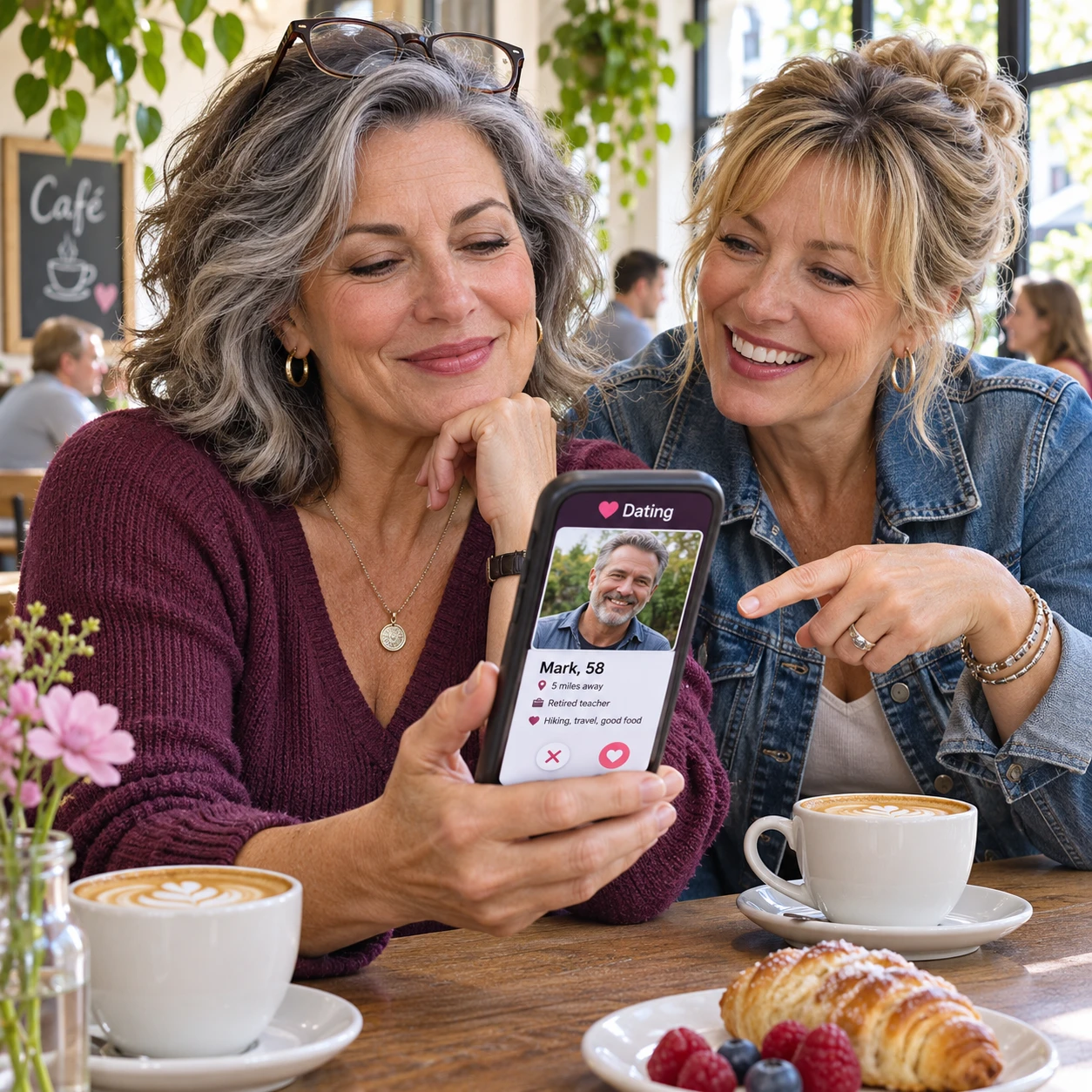
Dating can open the door to meaningful companionship at any age. A romance scam can exploit that hope, though, using a convincing profile and steady messages to build trust before asking for money or sensitive details. Mature singles deserve practical ways to assess a connection without treating every new match with suspicion.
Use the steps below as a calm safety check, from reviewing a profile to arranging a local meetup. A warning sign is a reason to slow down and ask questions, not automatic proof that someone is a scammer.
Why romance scams can be hard to recognize
Romance scams are hard to recognize because scammers may build trust gradually before making a request. A convincing profile, warm conversation, or strong match is not proof that a person is who they claim to be.
Some people who commit fraud use stolen photos and fabricated biographies; others spend time learning about a match and adapting their story to common interests. A dating platform’s matching algorithms can suggest compatibility based on preferences and activity, but they do not guarantee identity, honesty, or safety.
Scammers may use love bombing: intense compliments, constant attention, or early talk of a shared future. Affection itself is not suspicious. The concern is a mismatch between the speed of the promises and how little you know about the person, especially if they discourage questions or try to make you feel guilty for setting boundaries.
There is no single profile of a person who gets targeted. Anyone seeking connection can be approached, and noticing a scam is not a measure of intelligence. Staying curious while taking time to verify a match is a sensible part of dating.
Check the profile for warning signs
Look for details that do not fit together, photos that appear elsewhere, and claims that remain vague when you ask ordinary questions. One unusual detail alone does not prove fraud, but several inconsistencies are a reason to pause.
Review the profile at a steady pace. Does the person’s stated location make sense alongside their work, daily routine, and plans to meet? Do their messages match the age, background, and interests described on the profile? People can be private or imperfect writers, so focus on repeated contradictions rather than small errors.
- Photos: Notice whether every image looks unusually polished, appears to show different people, or lacks the variety you would expect from a genuine profile. A reverse image search may reveal whether a public photo appears under another name or on unrelated websites. A match does not establish who controls the account, and no result does not prove the photo is genuine.
- Local details: Ask natural questions about a stated neighborhood, nearby activities, or a place they say they visit. Limited local knowledge can have innocent explanations, such as a recent move, so look for a pattern rather than quizzing someone.
- Hard-to-check claims: Be cautious if every detail about work, travel, or family is vague, changes over time, or cannot be discussed without a dramatic excuse.
Profile verification tools can provide another useful signal, but badges and checks have limits. A platform’s process may confirm a particular photo or account detail, not someone’s intentions or every claim they make.
Watch for patterns in messages and behavior
Watch for a combination of rushed intimacy, pressure to leave the dating platform, repeated avoidance of live conversation, and urgent requests for help. These behaviors matter more when they form a pattern and continue after you set a boundary.
After a promising match, notice whether communication feels mutual. A person who wants a genuine connection should generally be able to talk about ordinary subjects, answer reasonable questions, and accept that trust takes time. Be wary if they quickly declare love, describe you as their only hope, or use guilt to make you respond immediately.
Moving to personal email or messaging can be a normal preference. But a push to leave the app very early may make it harder to use the platform’s safety and reporting tools. You can say you would rather keep chatting there for now. Their reaction to that boundary can tell you more than the request itself.
Repeated excuses to avoid video calls or a public meeting deserve attention, though there may be legitimate reasons someone is not ready. What changes the picture is an ongoing pattern: they promise to call, cancel at the last minute, and then introduce a crisis or financial request.
Requests for money are a major red flag, particularly when tied to an emergency, travel costs, medical bills, fees, gift cards, cryptocurrency, or a request to receive and forward funds. Never send money or share banking credentials, verification codes, or account access to prove your affection.
Verify a match while protecting your privacy
Verify a match by comparing what they share publicly, asking consistent questions, and arranging a live video conversation when you feel ready. Keep sensitive personal and financial information private throughout the process.
A careful check does not require you to investigate someone invasively or reveal information about yourself. You might search a distinctive phrase from a public biography or use reverse image search on a profile photo. Treat anything you find as a lead, not a final verdict; images can be reposted without permission, and search tools can miss material.
A brief video call can help confirm that you are speaking with the person shown in recent photos. Keep the conversation on the platform if possible, or choose a video service without exposing your phone number or personal accounts. A successful call still cannot prove someone’s full identity or intentions, so continue to use good judgment.
Keep these details private until trust is established and there is a clear reason to share them:
- Your home address, exact routine, and information that could reveal when you are alone.
- Banking details, card numbers, passwords, one-time security codes, and identity documents.
- Private or intimate images that could be misused or shared without your consent.
For general guidance on online relationships and fraud, the U.S. Federal Trade Commission explains how to recognize and report romance scams. If you live elsewhere, look for the equivalent consumer-protection or fraud-reporting service in your country.
Plan a safer first meetup
Plan a first meetup in a busy public place, arrange your own transport, and tell someone you trust where you will be. Choose a time and setting that lets you leave easily if you feel uncomfortable.
A café, museum, or public event can make a relaxed first meeting easier than a private home or an isolated location. If you are interested in local events, choose one where you can arrive and leave independently. Share the meeting place and approximate time with a friend, and agree on a check-in by message or call.
Do not rely on a new match for a ride, and avoid sharing your home address as a pickup point. Keep your phone charged and your drink in sight. These are sensible precautions for any first date, not an accusation against the person you are meeting.
Let your comfort set the pace. You can shorten the meeting, bring it to an end, or decline to meet at all. If the person insists on secrecy, changes the venue to a private place at the last minute, or pressures you to ignore your plan, consider cancelling.
What to do if something feels wrong
If something feels wrong, stop sharing information, preserve relevant messages, and report and block the profile through the platform. If you sent money or shared account details, contact your bank or payment provider promptly.
You do not need to prove that a person committed fraud before taking steps to protect yourself. Pause the conversation and avoid arguing or warning the person that you are reporting them; further contact can create more pressure. Save screenshots, usernames, profile links, phone numbers, payment receipts, and dates before blocking, if you can do so safely.
- If you sent money: Contact your bank, card issuer, payment app, or wire-transfer service as soon as possible. Ask whether the payment can be stopped or disputed, and follow its instructions.
- If you shared account access: Change affected passwords from a trusted device, enable multifactor authentication, and contact the service provider. If you shared financial or identity information, ask your bank or local identity-protection authority what monitoring or next steps are appropriate.
- Report the account: Use the dating platform’s reporting tools and, where appropriate, report the incident to your local law-enforcement or consumer-protection agency. Keep copies of your evidence and any case reference numbers.
If you feel embarrassed, remember that scammers deliberately manipulate trust. A trusted friend, family member, bank representative, or fraud-support service can help you take the next steps without judgment.
Move at your own pace, keep money and sensitive details private, and choose meetups that preserve your independence. A genuine match should be able to respect those boundaries.